Valheim Portal Networks: Name the Route and Test Both Ends
A portal is useful when its destination, inventory conditions and return route are understood. Build a small naming system and test the actual connection before committing an important expedition to it.
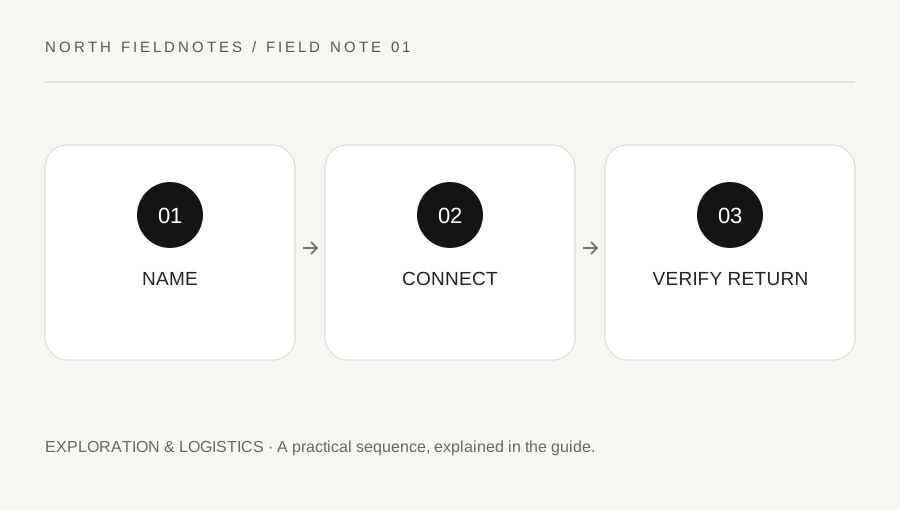
Original explanatory diagram. Examples illustrate a method or decision; they are not claims of personal testing.
Give the connection a clear purpose
Choose what the portal connects: home to a resource outpost, a temporary exploration point or another specific destination. A memorable label is more useful than a name that becomes ambiguous after several similar sites exist. Keep spelling and capitalization consistent with the game's current matching behavior.
Read the actual portal interface and world rules before relying on the connection. Valheim worlds can use different settings, and updates or portal types can change what is allowed. This guide does not promise one permanent transport rule for every item and configuration.
Write the destination in a private shared note or another group method that fits your world. A route named after a player can become confusing if that player builds several outposts. A location plus purpose can remain understandable when someone returns after several sessions away.
Prepare the destination before calling it ready
Place the destination where arrival and departure are practical under the current environment. Inspect nearby threats, terrain, shelter and the route back to the task area. A working connection does not make a hostile landing safe by itself.
Keep the supplies needed to establish the endpoint distinct from the materials you expect to bring home. If an inventory item is blocked, read the in-game message and the actual world settings. Do not assume a bug or install a workaround simply because a previous world handled the item differently.
For a worked example, a group creates a portal for a mining outpost. They first test an ordinary return and inspect which gathered items can pass under their configuration. Any blocked cargo gets a separate transport plan rather than being discovered only after the expedition is tired, overloaded and expecting instant travel.
Test the full trip with a small load
Use a low-stakes test from each end. Confirm the name, destination and the ability to return. Check the inventory conditions with the actual item types relevant to the task rather than assuming a successful empty-handed trip proves every cargo can travel.
In a shared world, announce a name change or temporary disconnection before making it. A player approaching from the other end may still rely on the old route. Keep a simple record of which endpoint is active rather than treating a renamed tag as a private cosmetic change.
If the route fails, inspect the visible message, name and current conditions systematically. Change one thing at a time. Rebuilding several portals at once can erase the evidence of what was wrong and confuse other players who are trying to help.
Preserve an ordinary fallback
Know how to reach shelter or a safer area without assuming the portal always remains available. A destination can become threatened or a shared configuration can change. The appropriate fallback depends on distance, terrain and the current character's supplies.
After the expedition, update the route label and status. Remove an obsolete destination from the shared plan or mark it clearly before someone uses it for a different task. Do not silently recycle an important name while another player is away.
Finish with four facts: purpose, label, inventory conditions and return plan. That turns a collection of glowing endpoints into an understandable transport network. The value is reliable logistics under the actual world rules, not a claim that portals remove every travel constraint or make every remote outpost safe.
A practical checklist
Choices are saved in this browser. Reset them here or clear this site’s browser storage.
Questions that come up
Does an empty-handed test prove all cargo can pass?
No. Test the actual item conditions and read the current world rules and portal message.
Should I change portal names without telling the group?
Avoid doing so when others rely on the route. Announce the change and update the shared record.
Does a portal make an outpost safe?
No. Arrival terrain, threats and shelter still need inspection.
References & scope
Background references checked on 18 October 2026. Worked examples and diagrams are original teaching material.